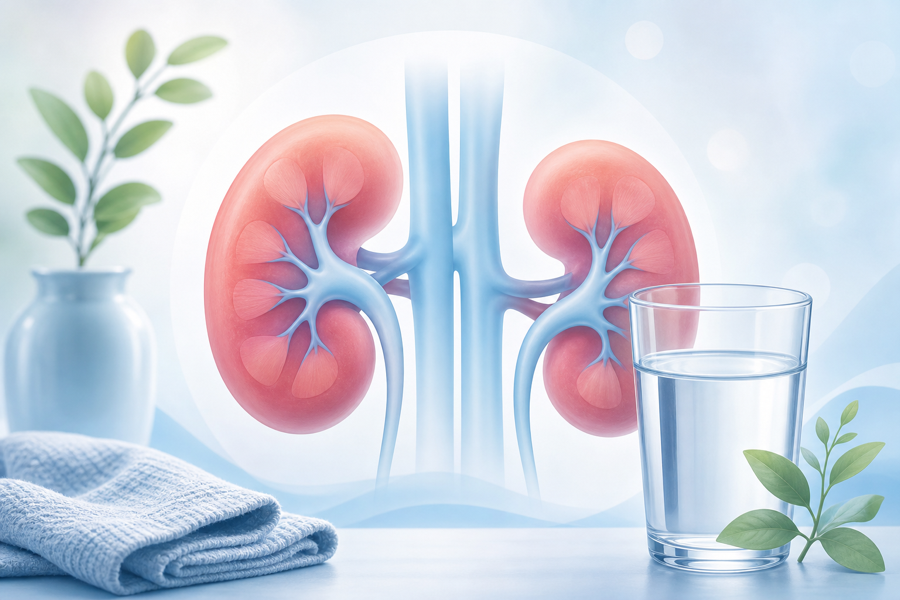
Kidneys after 60: fluids, blood pressure, and lab trends
Kidneys filter waste, balance electrolytes, and help control blood pressure. They rarely “hurt” when stressed— which is why labs and home blood-pressure logs catch problems early.
Blood pressure: the lever you can actually pull often
Long-standing high pressure damages kidney filters. Home cuffs that fit your arm (our cuff guide), consistent timing, and written averages help clinicians adjust medications without guesswork.
Fluids: not “as much as possible” for everyone
Some heart or kidney plans intentionally limit fluid. Others encourage steady daytime drinking. If you were told to restrict, measure the cup you actually use—wide mugs hide volume. Ask before adopting internet “detox water” trends.
- Weigh daily only if your team asked—sudden jumps can signal fluid retention.
- Limit sodium-heavy processed meats and restaurant soups if sodium is an issue.
- NSAIDs (ibuprofen, naproxen) can stress kidneys—ask before daily use.
Understanding creatinine and eGFR (without panic)
eGFR estimates filtration; it drifts with age and muscle mass. Trends across months matter more than one odd lab draw after dehydration or a hard workout. Still, rapid drops deserve prompt calls to your clinician.
Diabetes partnership
Glucose control protects kidneys over decades. If you track home sugars, bring the meter or export to visits—patterns beat single numbers (plates guide).
Questions for your next appointment
- Which pain relievers are safest on my current kidney function?
- Should I adjust fluid on hot days or if I feel dizzy?
- Do any supplements I take interact with my kidney labs?
Reviewed by A. Nguyen, MD · May 2026