Bone strength: vitamin D, safe exercise, and fracture prevention
Osteoporosis weakens bone from inside—often silently until a fall breaks a wrist or hip. The goal is not “becoming young again” but lowering fracture risk while keeping movement joyful.
Who gets screened, and how DEXA helps
Bone density scans (DEXA) guide treatment decisions. Guidelines vary by age, sex, and risk factors (steroid use, prior fractures, certain medications). Ask your clinician when screening fits you, not a generic blog chart.
Calcium from food first
Dairy, fortified plant milks, canned fish with bones, tofu set with calcium, and leafy greens contribute. If you use supplements, split doses near 500 mg for absorption and confirm kidney stone history with your team.
Vitamin D: sun, diet, and labs
Older skin makes less vitamin D from sun; winter latitudes worsen shortfalls. Your clinician may check a level before high-dose supplements—more is not automatically better.
Exercise that builds bone vs. exercise that only feels productive
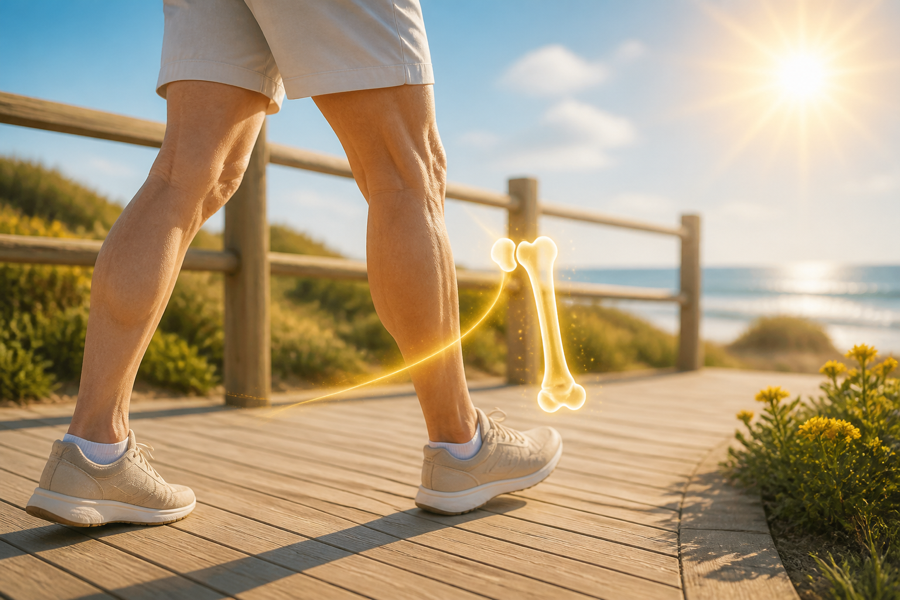
Weight-bearing and resistance work stimulate bone when joints tolerate it. Brisk walking helps balance and leg strength even when bone gains are modest. Pair with fall-prevention habits—good bones still break on bad landings.
Medications that help bones (and need dental coordination)
Bisphosphonates and some newer agents reduce fracture risk but come with instructions about dental surgery timing. Tell dentists what you take; tell doctors about upcoming implants.
Home hazards worth fixing first
- Remove throw rugs or tape edges flat.
- Add grab bars before they feel “necessary.”
- Outdoor shoes with thin worn soles—replace before winter ice.
Reviewed by A. Nguyen, MD · May 2026