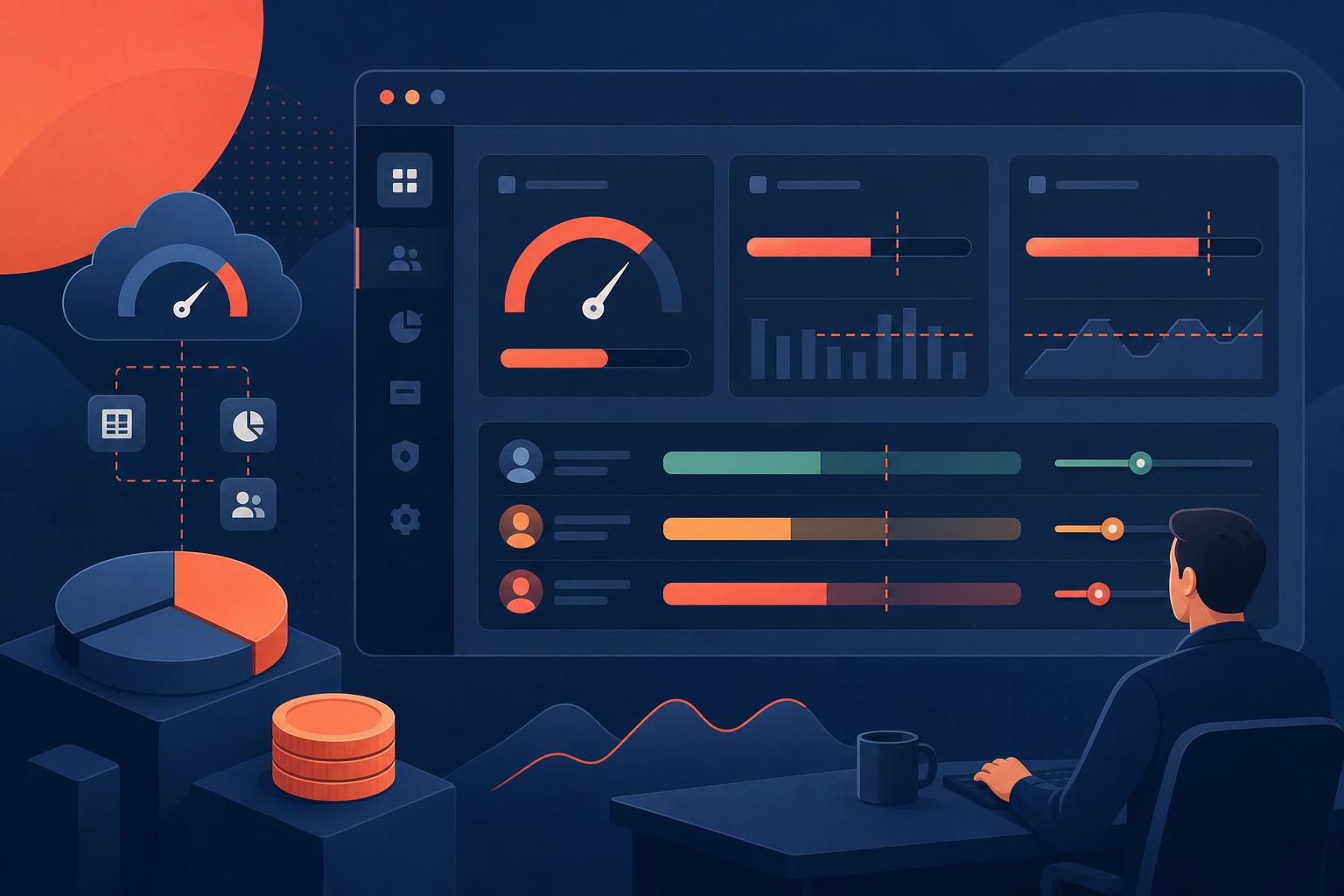
Buying discipline matters most when a product looks good in the demo but still needs to survive budget review, renewal scrutiny, and everyday workflow pressure. Teams feel safer expanding AI access when budget limits and exceptions are built into the operating model instead of handled in spreadsheets later.
Operators increasingly read spend design as a product signal. If a tool makes it hard to predict how usage grows by team, workflow, or volume, it feels less like a managed rollout and more like a future budgeting problem waiting to happen.
A deployment that can grow predictably is easier to approve than one that might surprise a budget owner after adoption starts spreading. The strongest buyer notes reduce room for interpretation. They show where the software fits, where it creates drag, and what needs to be true for a contract to make operational sense.
Why operators care
Products that expose workload tiers, spend thresholds, and team-level exceptions will look more trustworthy than products that leave cost control until renewal season. When teams document these signals consistently, procurement moves faster and renewal conversations stop relying on vague memory or executive enthusiasm.
- Can teams set caps without involving vendor support?
- Can exceptions be tracked with an owner and a reason?
- Can finance forecast likely usage growth from the admin view?
- Caps that are global but not team-specific
- Usage alerts that trigger too late to matter
- No way to see which workflows are driving the bill