Atrial fibrillation: pulses, strokes, and rhythm vs. rate
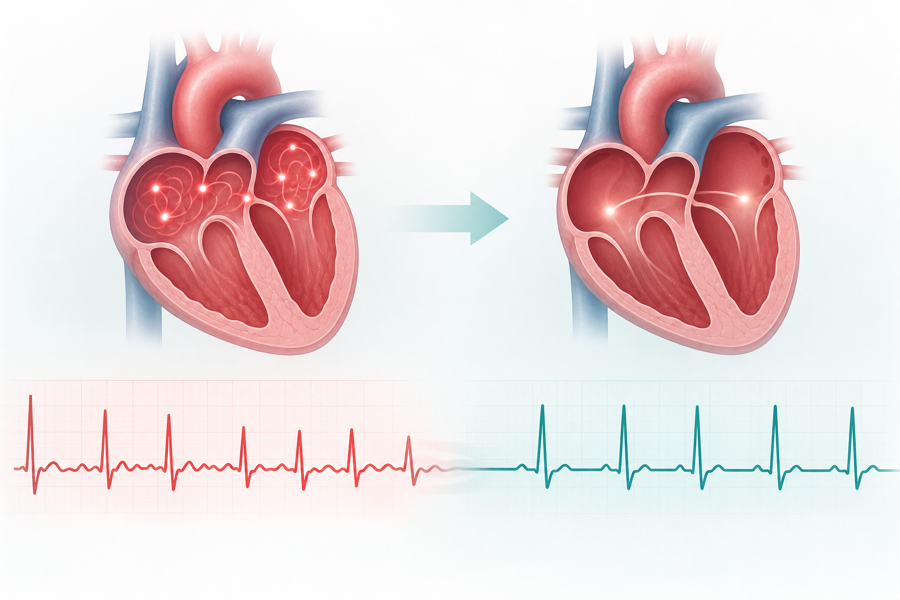
Atrial fibrillation (AFib) means the top chambers of the heart quiver instead of pumping neatly. Some people feel every skipped beat; others notice only fatigue or nothing—until a stroke or routine exam reveals it.
Why stroke risk enters the conversation
Sluggish blood flow in the atria can clot; clots can travel. Your CHA₂DS₂-VASc score (based on age, sex, blood pressure, diabetes, prior stroke, etc.) guides whether blood thinners help more than they bleed for you.
Rate control vs. rhythm control (plain language)
Rate control slows the ventricle so you feel better while AFib continues quietly. Rhythm control tries to restore normal sinus rhythm via medications or procedures. Neither path is universally “better”—age, symptoms, heart structure, and preferences decide.
- Track triggers you notice: alcohol, poor sleep, illness, dehydration.
- Learn pulse checks or home ECG devices if your clinician recommends them.
- Bring a symptom diary to visits—patterns beat one-off anecdotes.
Blood thinners: adherence saves lives
If prescribed, do not skip doses around dental cleanings without a plan—some procedures need timing bridges, others do not. Newer oral agents interact with other drugs; keep your med list updated.
Alcohol and caffeine honesty
Holiday binge drinking triggers AFib episodes for many people—your clinician is not judging your wine; they are mapping patterns to protect you.
Reviewed by A. Nguyen, MD · May 2026