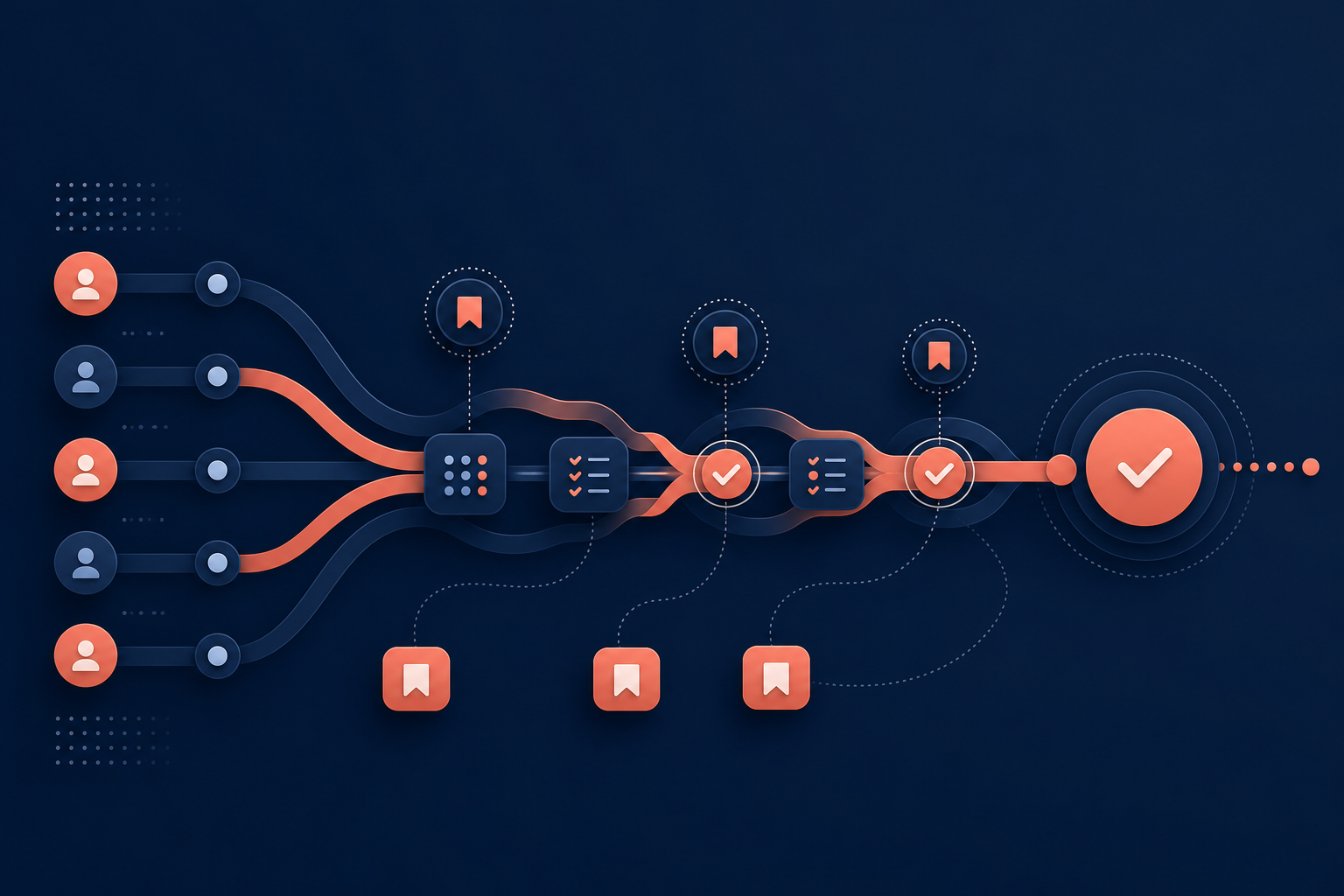
Buying discipline matters most when a product looks good in the demo but still needs to survive budget review, renewal scrutiny, and everyday workflow pressure. Operators increasingly trust software that shows repeated use inside real tasks more than software that advertises one more ambitious capability.
Workflow proof looks like repetition with quality: the same recurring job done faster, a cleaner handoff between roles, fewer recap meetings, or a decision trail that is easier to recover. Those signals are far more persuasive than another speculative demo.
Teams want evidence that a product improves actual work, not merely that it can perform a long list of isolated tricks. The strongest buyer notes reduce room for interpretation. They show where the software fits, where it creates drag, and what needs to be true for a contract to make operational sense.
Why operators care
More vendors will be pushed to show stable use cases, saved steps, and clearer decisions because buyers are getting harder to impress with feature breadth alone. When teams document these signals consistently, procurement moves faster and renewal conversations stop relying on vague memory or executive enthusiasm.
- Can the team name two or three proven recurring workflows?
- Is the value visible in speed, quality, or decision clarity?
- Would a skeptic inside the company find the proof credible?
- One-off wins presented as steady adoption
- Feature comparisons with no operating evidence
- Case studies that sound good but cannot be repeated internally