Archive
Written for operations leaders, IT owners, startup teams, department managers, and anyone who has to judge whether software can spread safely, clearly, and usefully inside real teams.
 Rollout Controls
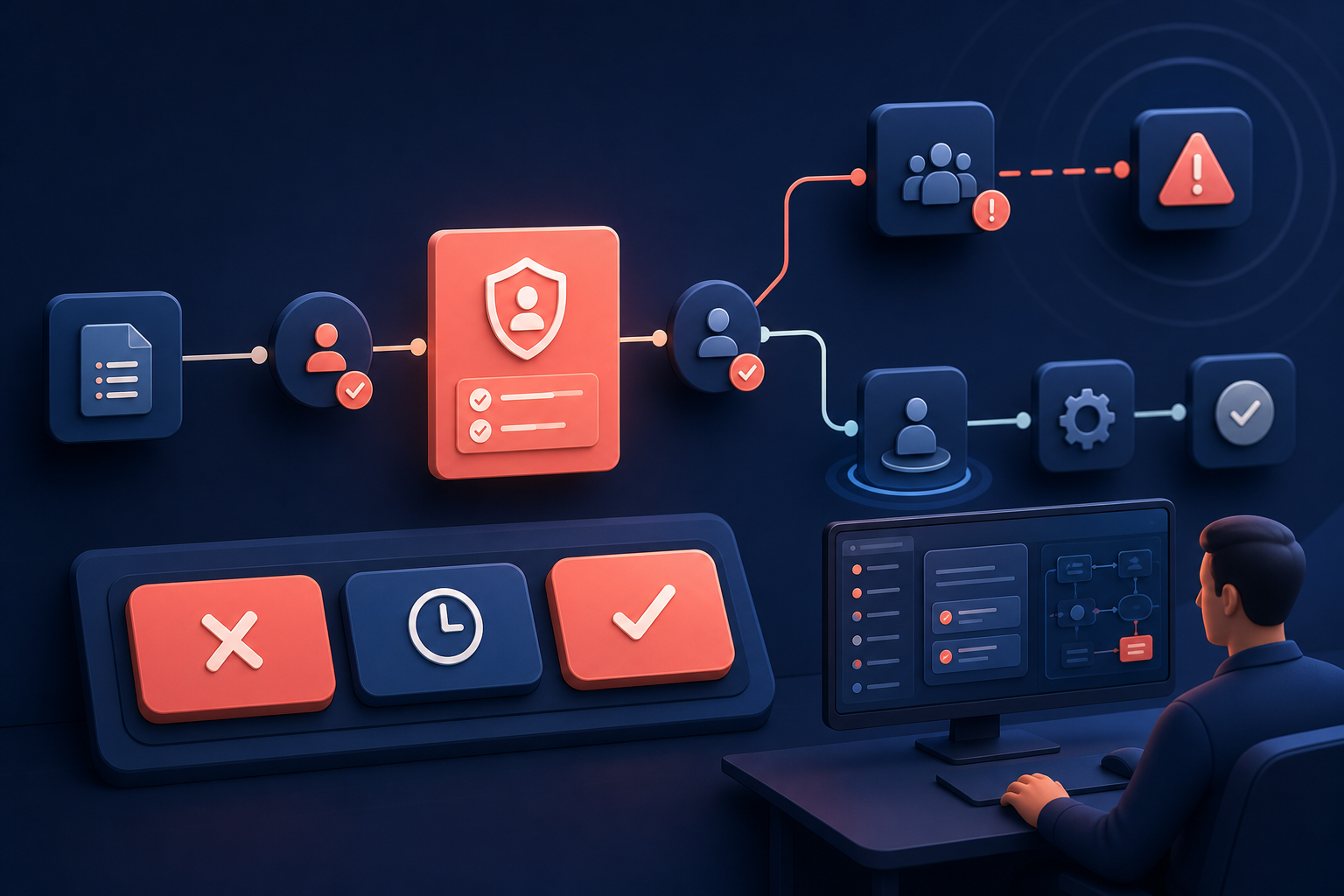
Why AI rollouts now live or die on admin controls
The AI tools spreading inside teams fastest are the ones that make budgets, permissions, and usage boundaries visible before anyone asks for a broader rollout.
 Async Work
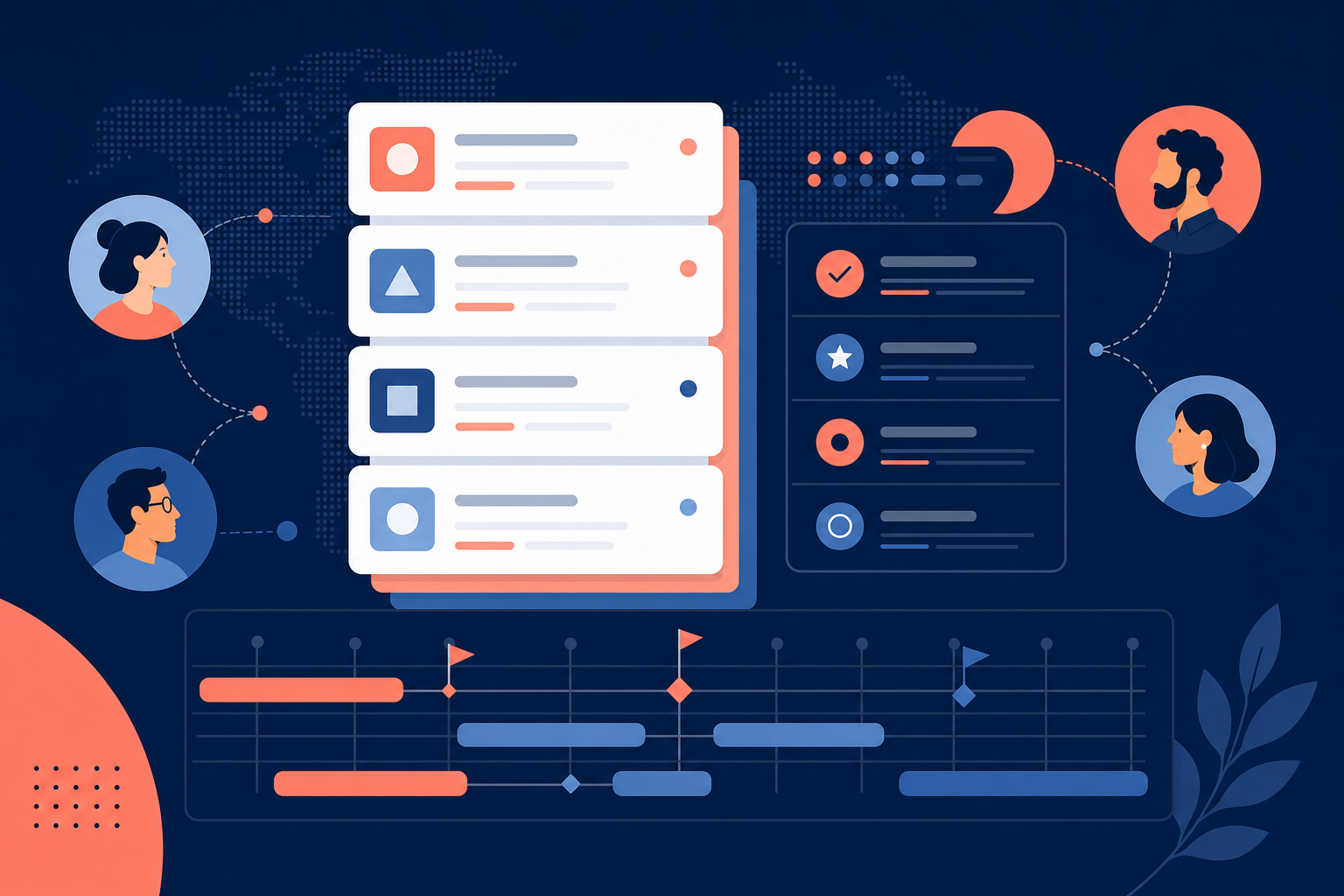
Async AI briefs are replacing all-hands recaps for distributed teams
Weekly updates work better when AI compresses status, surfaces risk, and keeps decisions searchable instead of turning every sync into another recap meeting.
 Browser Controls
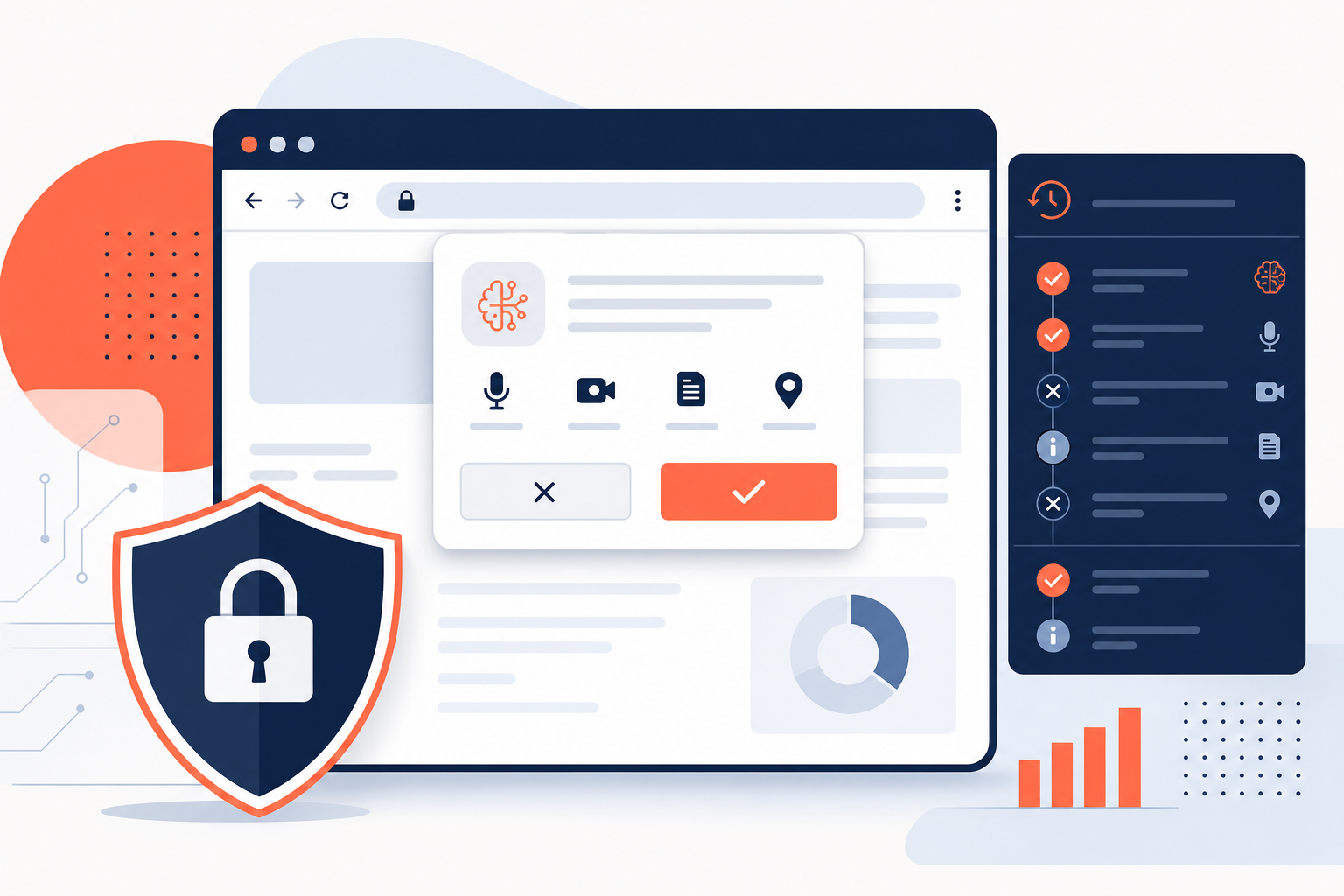
Browser-based AI work gets real once permissions stop feeling invisible
Teams adopt browser AI more confidently when they can see which actions are allowed, what needs review, and where identity boundaries still matter.
 Buyer Notes
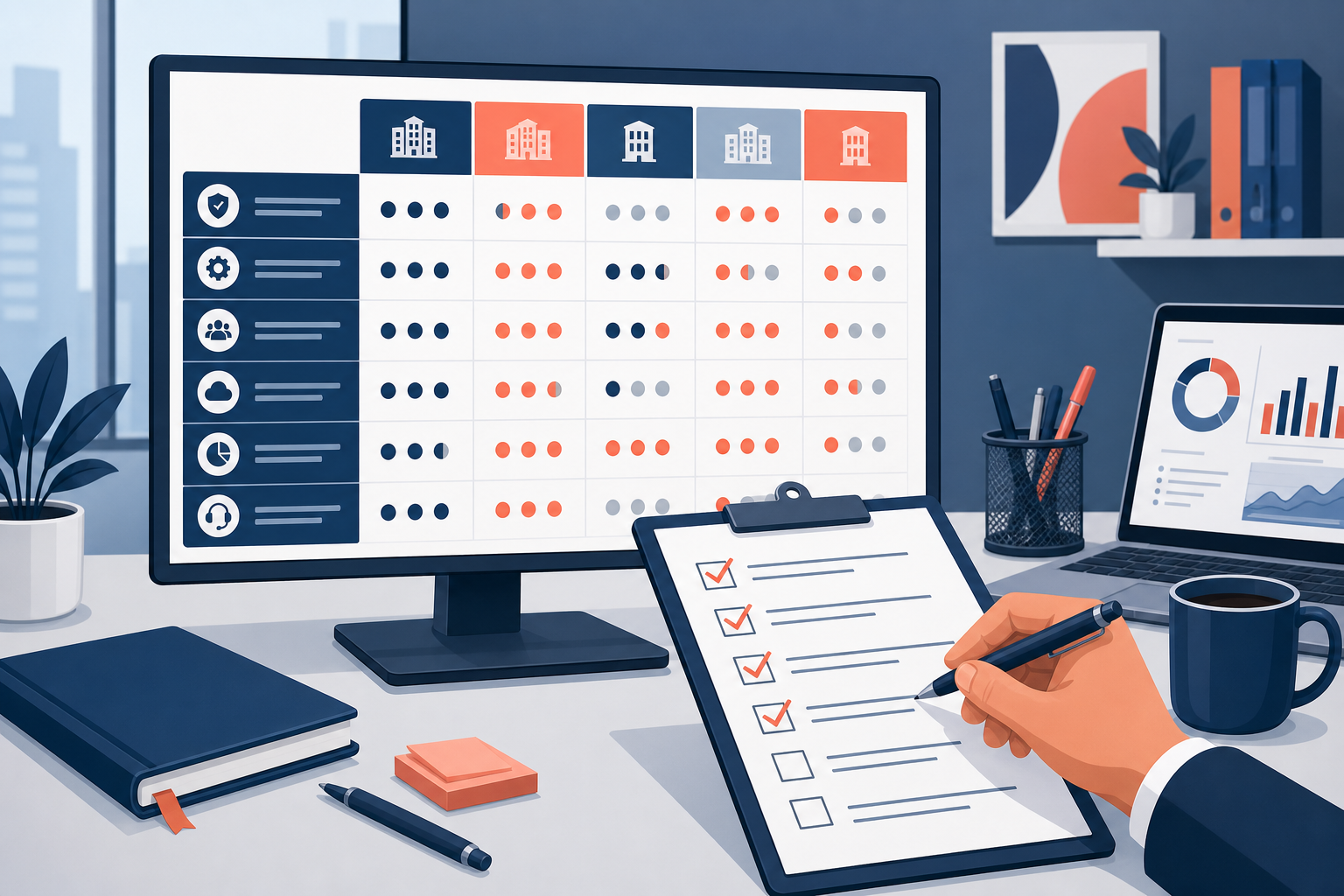
Vendor scorecards matter more once software buying moves past feature demos
Short scorecards help teams compare rollout fit, admin depth, and workflow friction before they burn time in another polished demo cycle.
 Budget Rules
Usage caps are becoming part of product trust, not just finance hygiene
Teams feel safer expanding AI access when budget limits and exceptions are built into the operating model instead of handled in spreadsheets later.
 Manager Layer
Manager dashboards are becoming the quiet adoption layer for team AI
Many rollouts spread because managers can finally see where usage is healthy, where context is missing, and where coaching is needed.
 Workspaces
Shared AI workspaces become useful when they reduce switching instead of adding one more layer
The strongest workspace products win by tying chat, docs, tasks, and review states together without creating a second system of record.
 Renewals
Renewal conversations get easier when teams track workflow proof all year
Software renewals go smoother when operators can point to repeated use cases, time saved, and clearer decisions instead of vague enthusiasm.
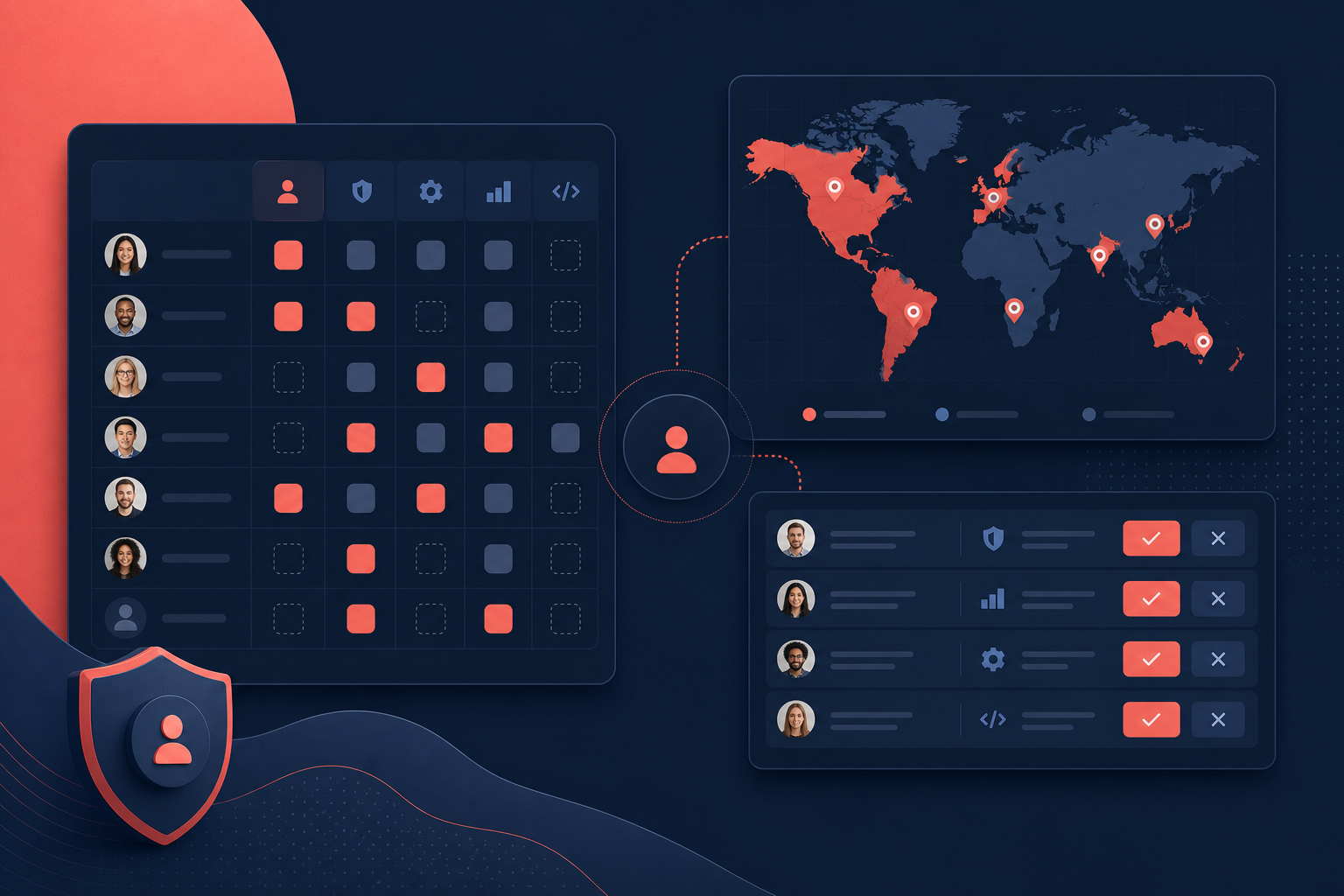 Seat Governance
Seat governance matters when AI tools spread faster than managers expect
Teams keep adoption healthier when seat assignments, workspace rules, and exception requests are visible before software starts spreading informally across departments.
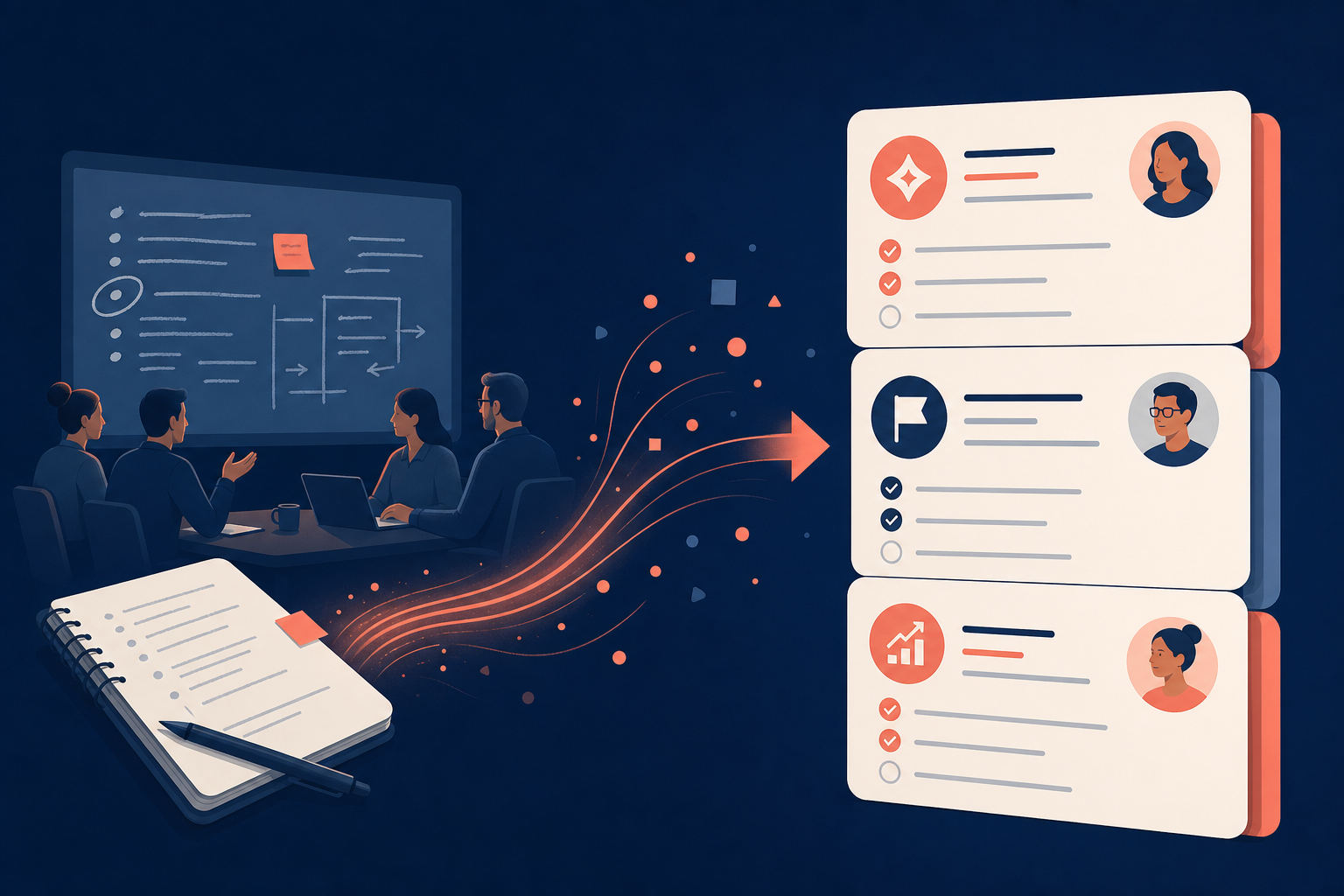 Decision Memory
Meeting memory becomes more valuable when it is tied to decisions instead of transcripts
Teams benefit most when meeting AI highlights commitments, risks, and open choices rather than just producing another searchable transcript.
 Change Management
Rollout champions work best when they own adoption habits, not product hype
Internal champions create more lasting adoption when they help teams learn repeatable workflows instead of merely promoting the new tool.
 Pilot Rules
Pilot sunset rules keep software trials from turning into permanent ambiguity
Teams make cleaner buying choices when pilots have explicit success criteria, review dates, and a clear path to expand, redesign, or end the test.
 Procurement
Procurement briefs work better when operators write them in plain language
Short procurement briefs help software teams move faster when they explain workflow fit, admin needs, and adoption risks without vendor jargon.
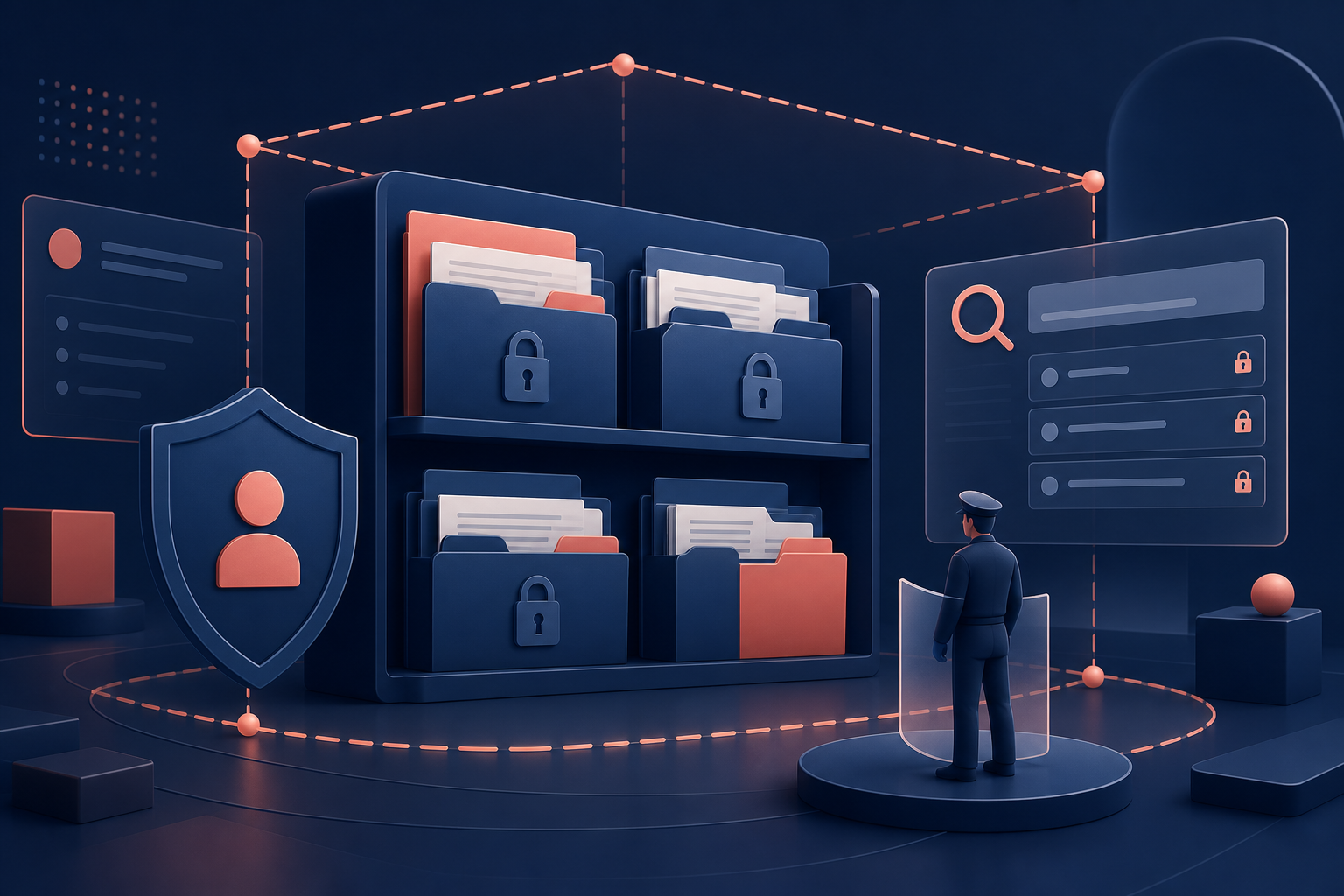 Knowledge Access
Knowledge permissions are becoming the real boundary inside team AI work
AI systems feel more trustworthy when document access, workspace scope, and sensitive material rules are visible enough for teams to understand.
 Training
Internal AI training lands better when it is tied to workflows instead of tool tours
Teams learn faster when training shows how software fits real tasks, approvals, and examples rather than only explaining buttons and menus.
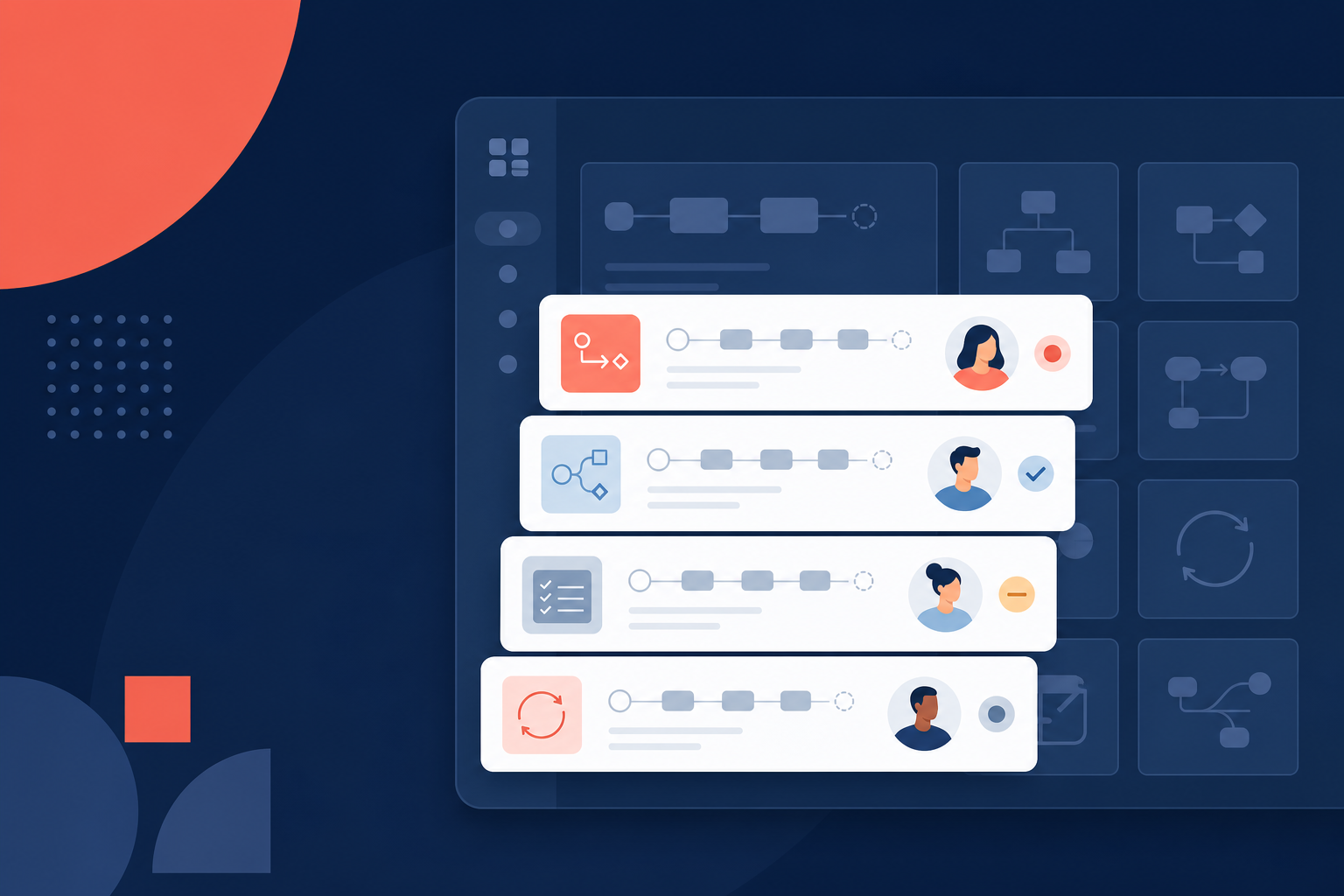 Templates
Team templates matter because repeatable prompts are only half the workflow
Reusable team templates become more valuable when they include review states, owners, and context rules instead of stopping at the prompt itself.
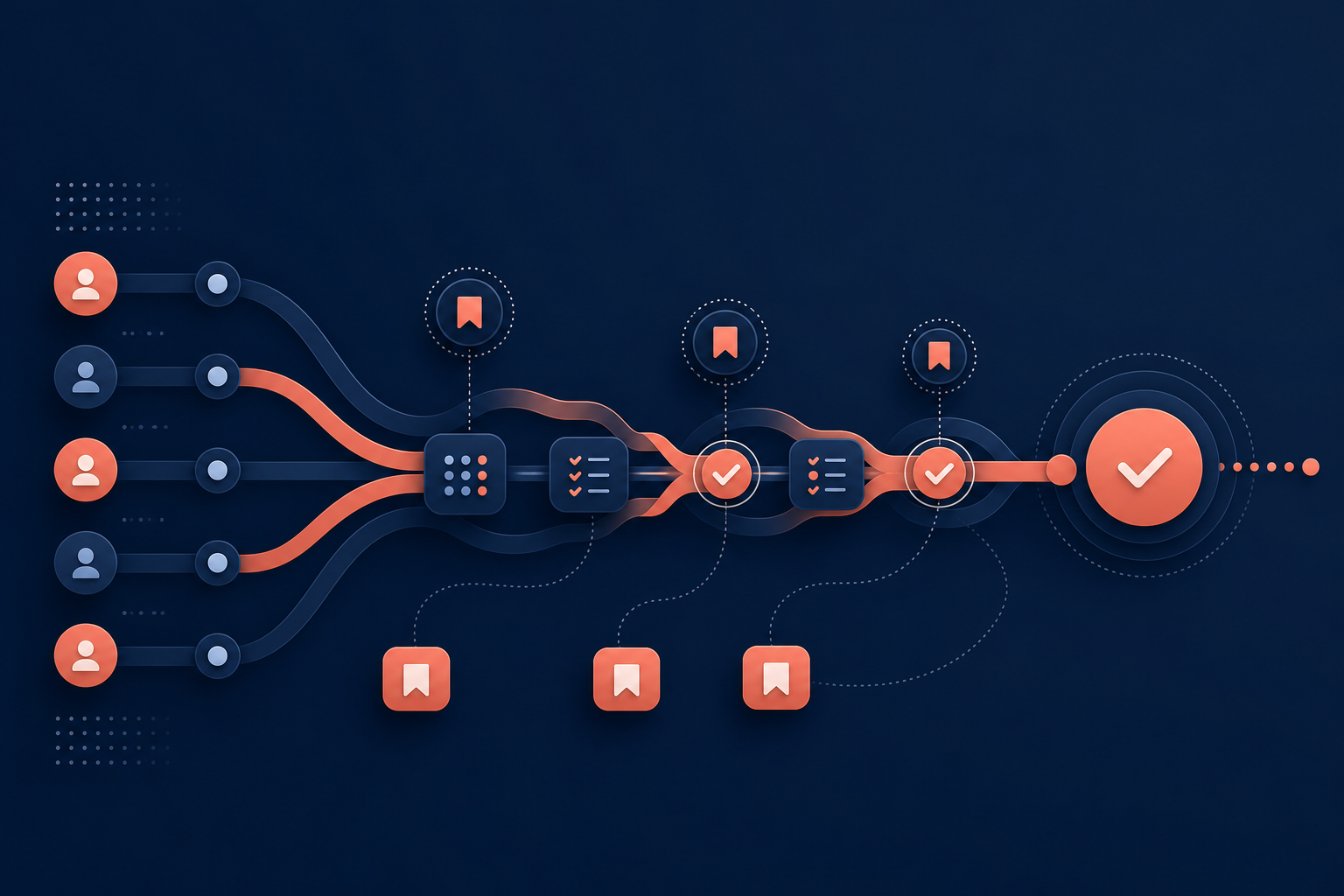 Workflow Proof
Workflow proof is replacing feature count as the most convincing adoption story
Operators increasingly trust software that shows repeated use inside real tasks more than software that advertises one more ambitious capability.
 Consolidation
Workspace consolidation works when teams simplify contexts instead of forcing one giant suite
Consolidation only helps when products reduce handoff friction and context loss rather than adding a heavy all-in-one layer that teams ignore.